Information
Best Natural Stone for Interior Design: A Complete Guide
Choosing the right natural stone can transform an interior while improving durability and long-term value. Discover how marble, travertine, limestone, granite, and other natural stones perform in flooring, wall cladding, kitchens, bathrooms, and luxury interiors, and learn how to select the right material for your project.
Best Natural Stone for Interior Design: A Complete Guide
Introduction
Natural stone is a timeless material that adds texture, character, and visual depth to interior spaces. Its natural colors, patterns, and finishes make it suitable for contemporary homes, classic interiors, hotels, and high-end projects. However, the best stone is not necessarily the most attractive one. The intended application, foot traffic, moisture exposure, maintenance requirements, and overall budget should all guide the selection.
Why Choose Natural Stone for Interiors?
Every natural stone slab has its own pattern and character. When selected carefully, stone can complement wood, glass, metal, and other finishes while creating a durable and distinctive interior. Its performance, however, depends on the specific stone, finish, installation, and care routine.
Marble: A Statement Material
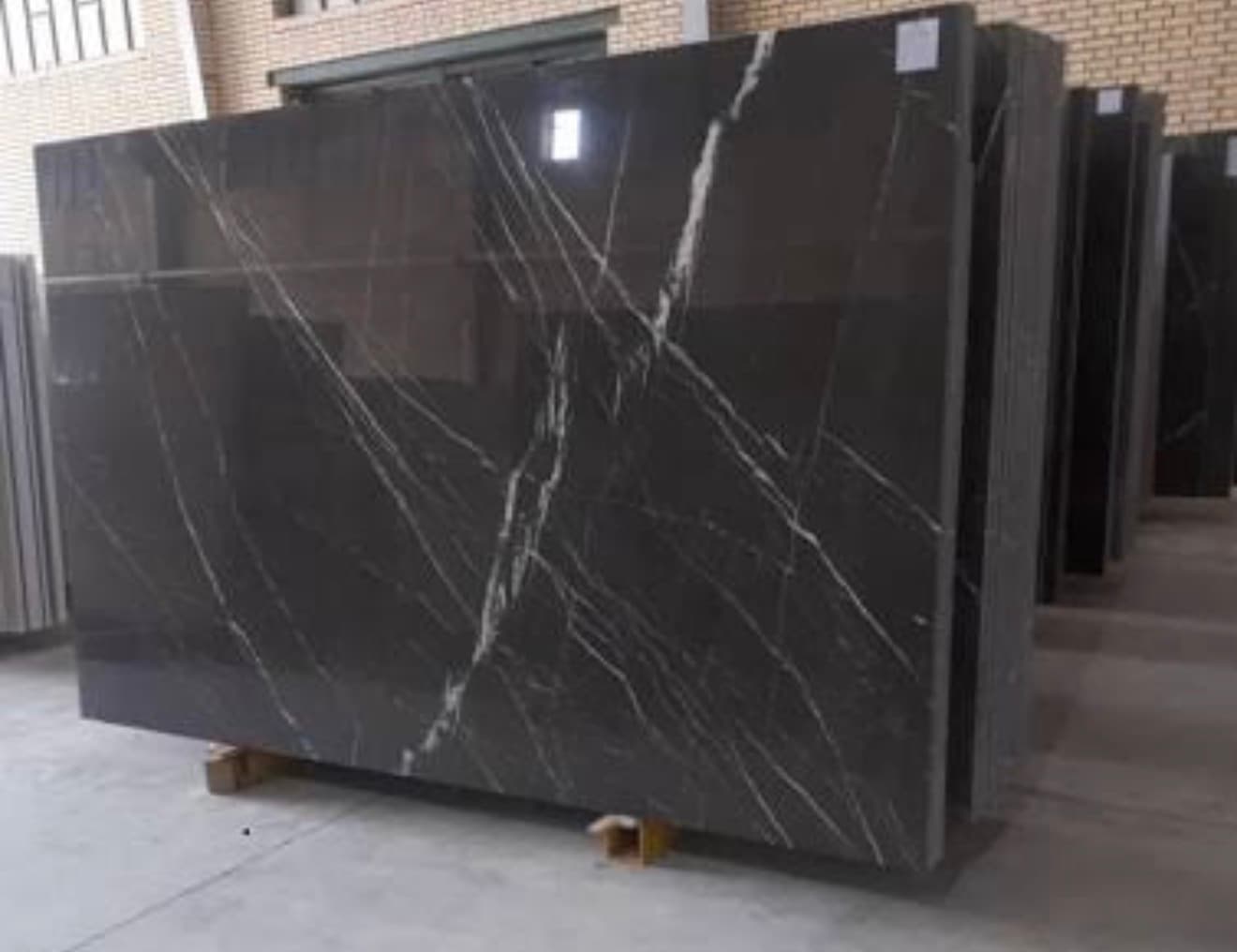
Marble is valued for its distinctive veining and refined appearance. It is often used for feature walls, decorative tables, entrance halls, and selected bathroom applications. Some varieties transmit light and create a striking visual effect. Marble is generally sensitive to acidic substances, including lemon juice and some cleaning products, which can etch or dull the surface. For countertops or heavily used areas, consider the finish, suitable protective treatments, and maintenance requirements before choosing it.Marble-Type Limestone and Marble-Look Stones for Floors and Walls
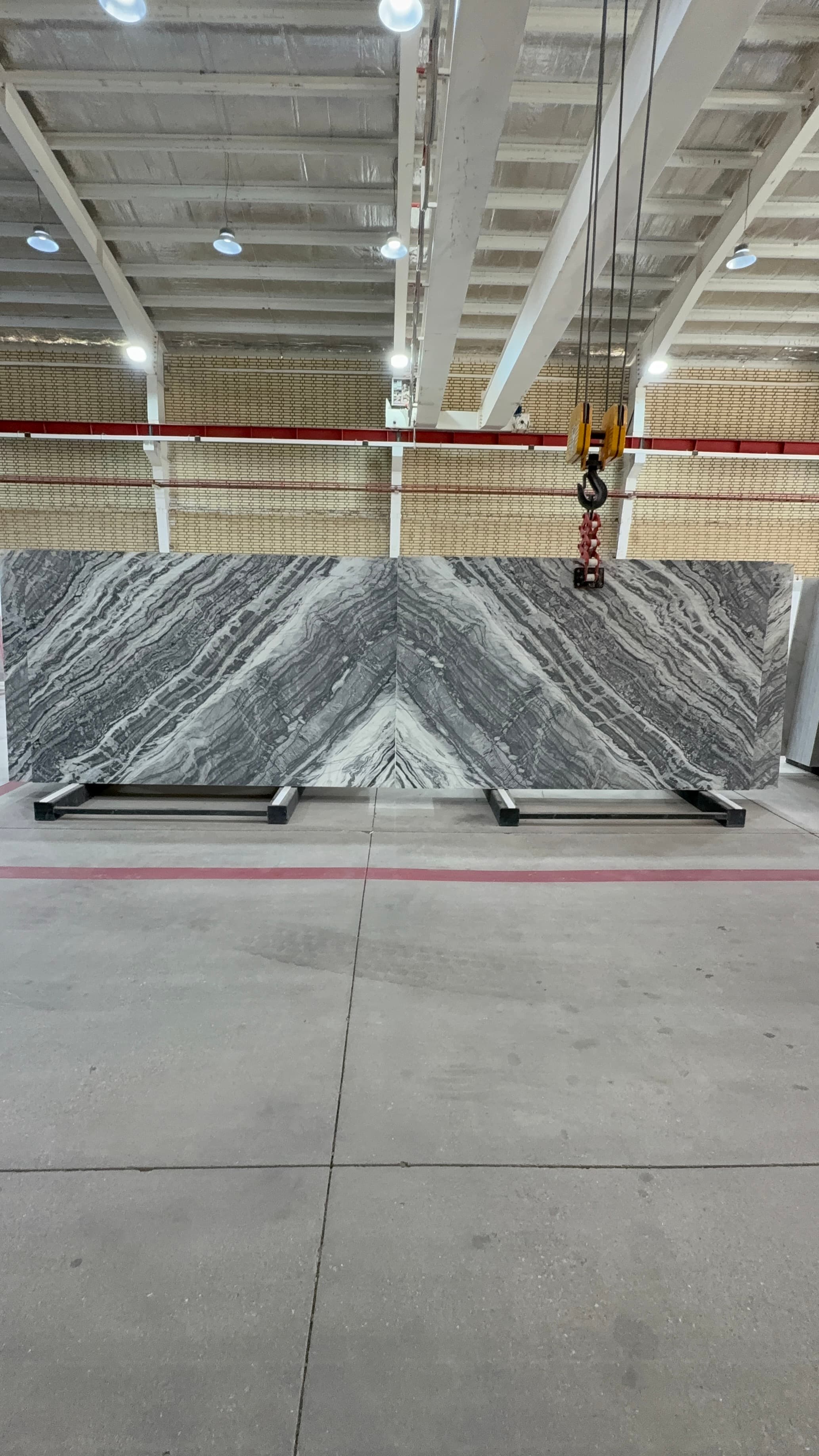
In many markets, marble and related decorative stones are available in a wide range of colors and patterns. They are used for flooring, wall cladding, staircases, and interior features. Their suitability depends on the exact stone composition, porosity, surface finish, and installation conditions. For wet areas or surfaces exposed to acidic products, check the technical information for the specific material.Travertine: Warm Texture and Natural Character
Travertine is known for its earthy colors and characteristic pores. It works well for feature walls, fireplace surrounds, TV walls, and selected interior floors. Depending on the product and finish, its pores may be filled or left open. Appropriate sealing, installation, and routine care can help preserve its appearance and performance.Granite: A Practical Option for Demanding Areas
Granite is often considered for high-traffic floors, stairs, and work surfaces because many varieties offer good hardness and abrasion resistance. Stain and moisture performance still vary by stone, finish, and installation. For kitchen applications, assess resistance to staining, heat, cleaning products, and everyday use rather than assuming that every granite product performs identically.Limestone: Understated and Minimalist
Limestone often features soft colors and subtle textures, making it suitable for calm, minimalist interiors and selected wall or floor applications. Many limestone varieties are sensitive to acids and may require careful maintenance. Before installation, consider traffic levels, moisture exposure, the intended finish, and the care routine.
Choosing Stone for Each Interior Space
Living room floors: Select a finish with suitable abrasion resistance and slip performance. In busy areas, prioritize durability and easy cleaning.
Feature walls and TV walls: Marble, travertine, and limestone can create a distinctive focal point. Confirm the substrate, stone weight, fixing system, and installation method with a qualified professional.
Kitchens: Worktops must be assessed for staining, scratching, heat, and acid exposure. Granite can be a practical choice for many projects, but the exact product specifications and maintenance requirements should determine the final decision. Do not assume any natural stone is completely stain-proof or acid-proof without verification.
Bathrooms: Water absorption, slip resistance, waterproofing, joint detailing, and ventilation are important. Choose a suitable finish for wet floors and ensure that installation and waterproofing are carried out correctly.
Stairs and entrances: Consider abrasion resistance, edge quality, thickness, and slip safety. Polished surfaces may become more slippery when wet.
How to Match Stone Colors and Patterns with Interior Design
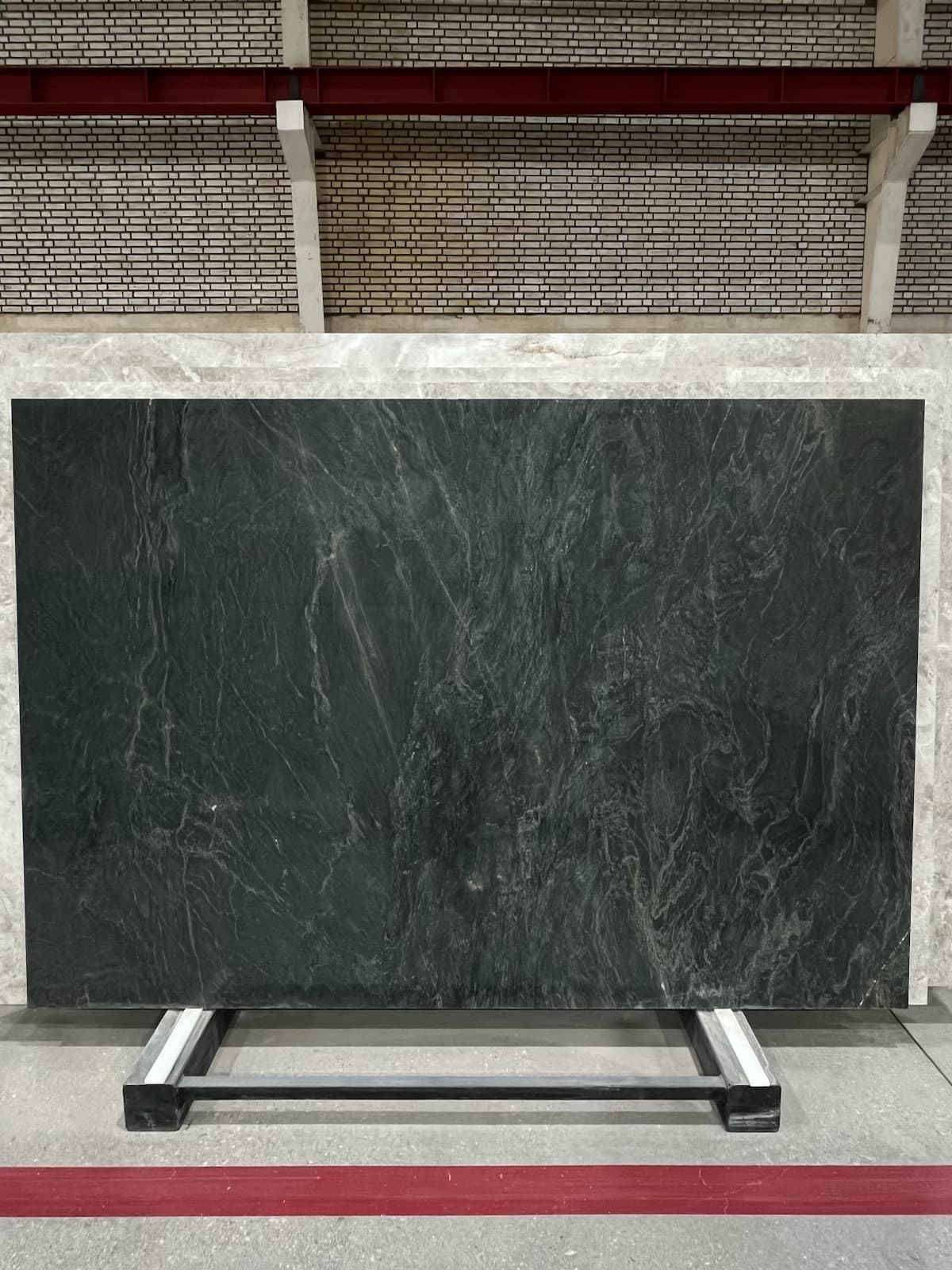
Light-colored stone can make a room feel brighter and pairs well with light wood and warm metals. Dark stone creates contrast and visual depth but may require thoughtful lighting. Strong veining is often most effective when balanced with simpler materials. Always inspect a sample under the actual daylight and artificial lighting conditions of the project, because stone colors can look different under different light sources.
Why Stone Finish Matters
A polished finish often emphasizes color and veining, but it can produce glare and may be slippery in wet conditions. Honed finishes create a softer, less reflective appearance. Leathered finishes add tactile texture. The right finish should be chosen according to the application, cleaning requirements, traffic, and safety—not appearance alone.
What to Check Before Buying Natural Stone
- Define the installation area and environmental conditions.
- Review technical data, water absorption, abrasion resistance, and chemical compatibility.
- View the actual slab or sample in the project's lighting.
- Ask the supplier about processing, protective treatments, and maintenance.
- Calculate the full cost, including cutting, transport, installation, sealing, and upkeep.
- Use qualified professionals for substrate preparation, fixing, and waterproofing where required.
How to Maintain Natural Stone
Use cleaning products that are suitable for the specific stone. Acidic substances such as vinegar and lemon juice can damage some carbonate stones. Clean spills promptly, avoid unsuitable abrasive tools, and apply a compatible protective treatment when recommended. A sealer does not eliminate the need for routine care, and reapplication intervals depend on the stone and its use.
Conclusion
The best natural stone for interior design is the one that suits the space, environmental conditions, design style, and expected maintenance. Marble can create dramatic focal points, travertine adds warmth and texture, granite is often suitable for demanding applications, and limestone supports understated designs. By reviewing real samples and technical specifications before installation, you can make a choice that balances beauty, practicality, and long-term value.
Explore the natural stone collection at Linestone and seek product-specific guidance to identify the right material for your interior project.