Stone guide
How to Identify Natural Stone Types: A Guide to Building Stones
Identifying natural stone is an important step in selecting the right building material. Learn how appearance, texture, veining, porosity, weight, and surface characteristics can help distinguish marble, travertine, granite, quartzite, and other natural stones, along with the limitations of visual identification.
How to Identify Natural Stone Types: A Guide to Building Stones
Natural stone is widely used in architecture and interior design. Its varied colors, patterns, textures, and physical properties make materials such as marble, travertine, granite, and quartzite popular choices for façades, flooring, wall cladding, and decorative applications.
However, identifying natural stone is not always straightforward. Different stones can look remarkably similar, and surface finishing may significantly change their appearance. Reliable identification therefore requires examining several characteristics rather than relying on color or veining alone.
This guide explains practical ways to recognize common natural stone types and what to consider before purchasing.
Why Is Identifying Natural Stone Important?
Each natural stone has its own characteristics. Water absorption, abrasion resistance, sensitivity to acidic substances, finishing options, and maintenance requirements can vary considerably.
For example, a stone selected for a busy floor should be evaluated differently from one intended for an interior wall or building façade. Choosing a stone without understanding its properties may lead to staining, surface deterioration, higher maintenance costs, or unsuitable performance.
Knowing the stone type helps you select a material that meets both the aesthetic and technical requirements of your project.
- Examine the Color, Appearance, and Pattern
Visual inspection is a useful first step. Look at the distribution of colors, the shape of the veins, the presence of mineral grains, and the consistency of the pattern.
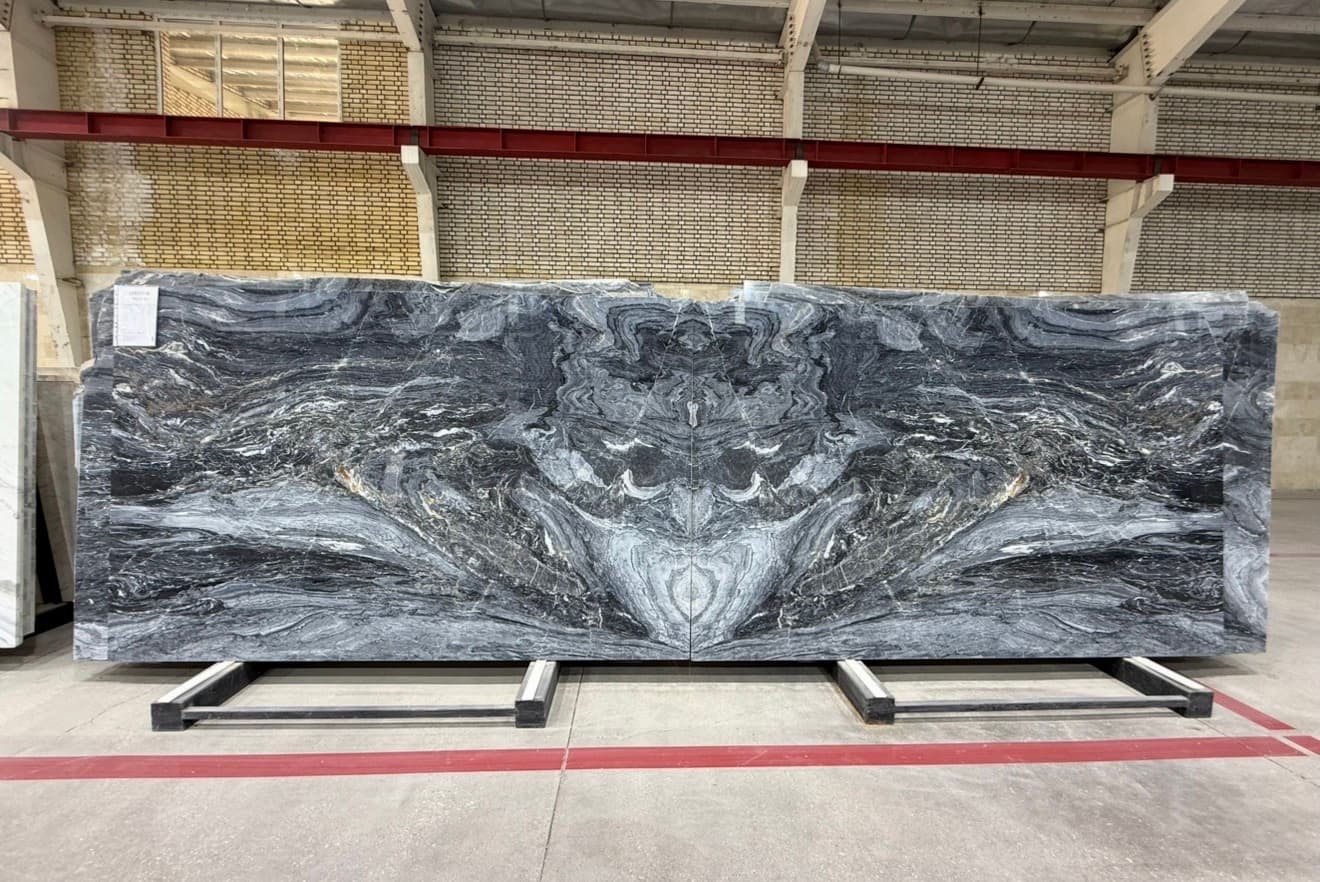
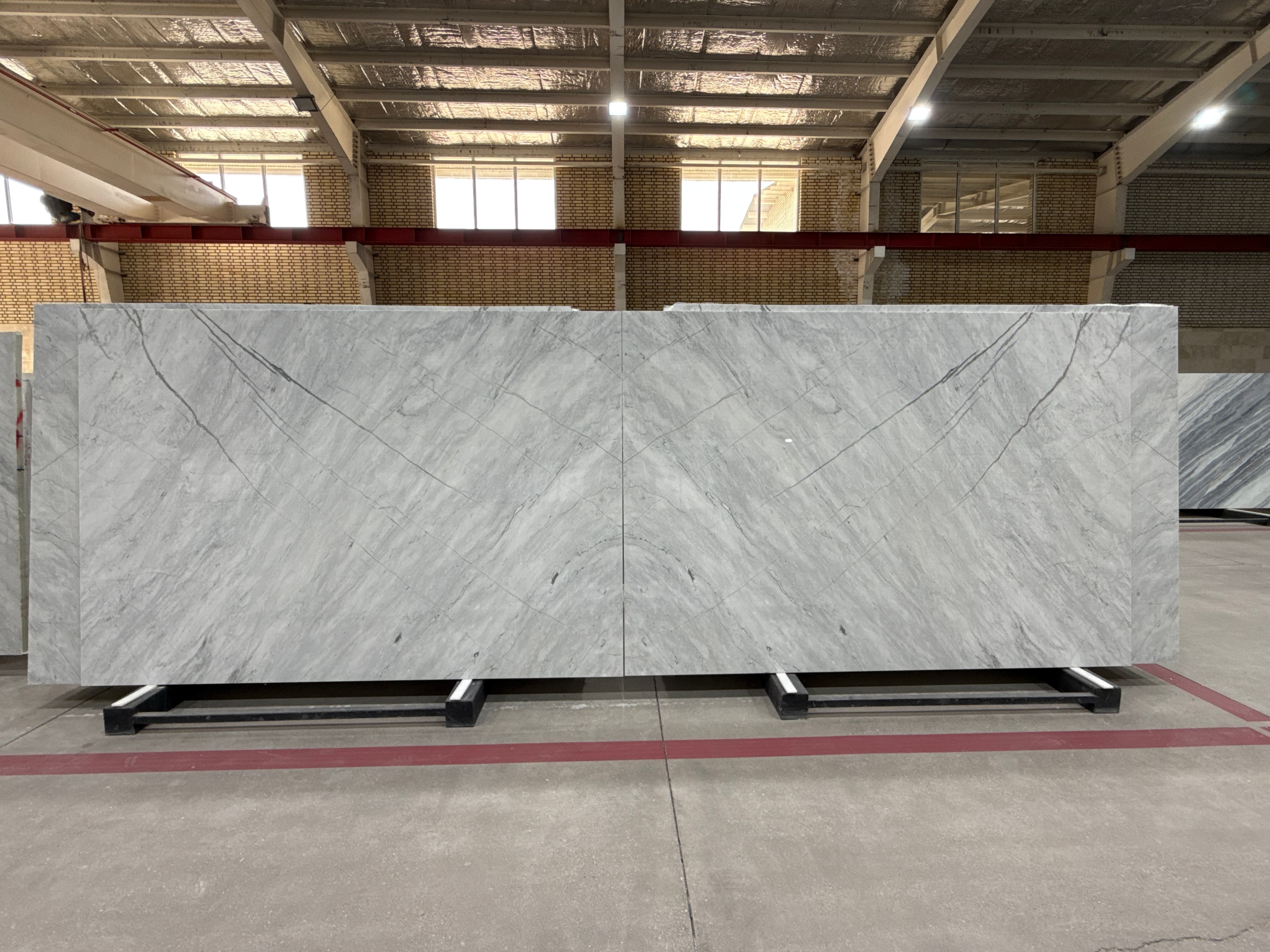
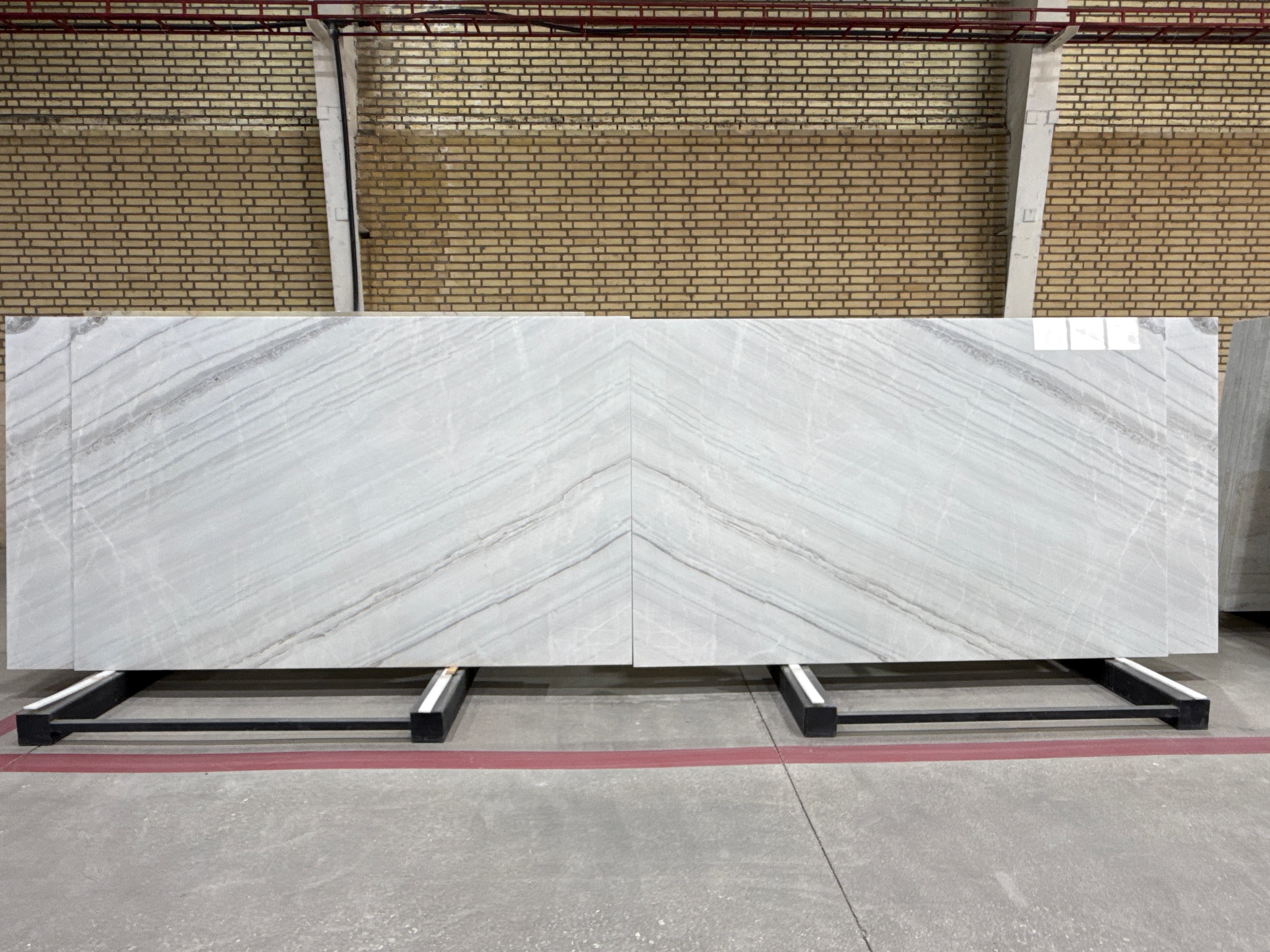
- Marble: Often features distinctive veins and varied colors, including white, beige, gray, brown, and darker shades.
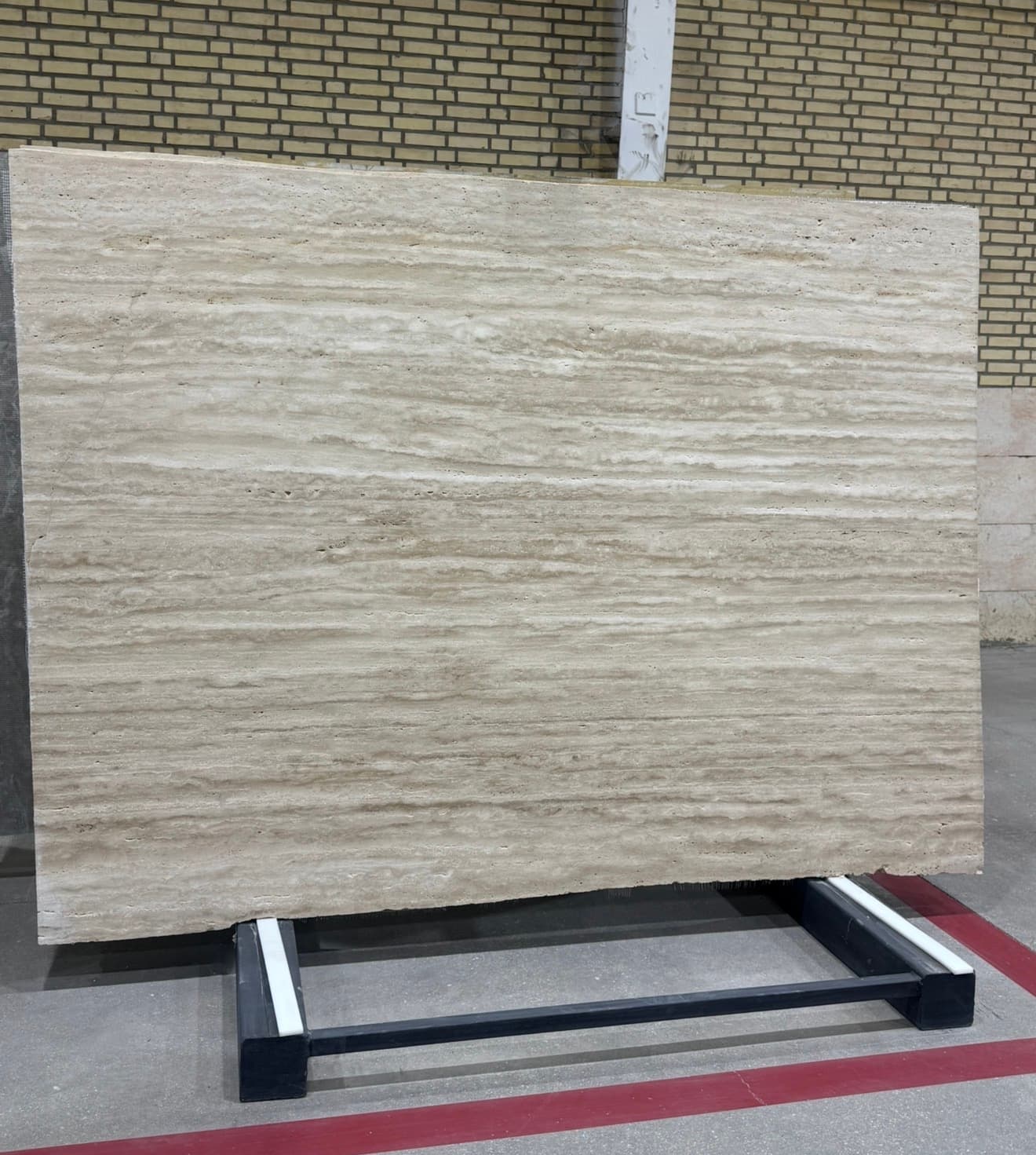
- Travertine: Commonly has a layered or banded structure and natural pores that may be filled during processing.
- Granite: Usually has a granular appearance, with visible mineral grains or colored speckles.
- Onyx: Some varieties have striking bands and may transmit light through thinner sections, although this is not true of every specimen.
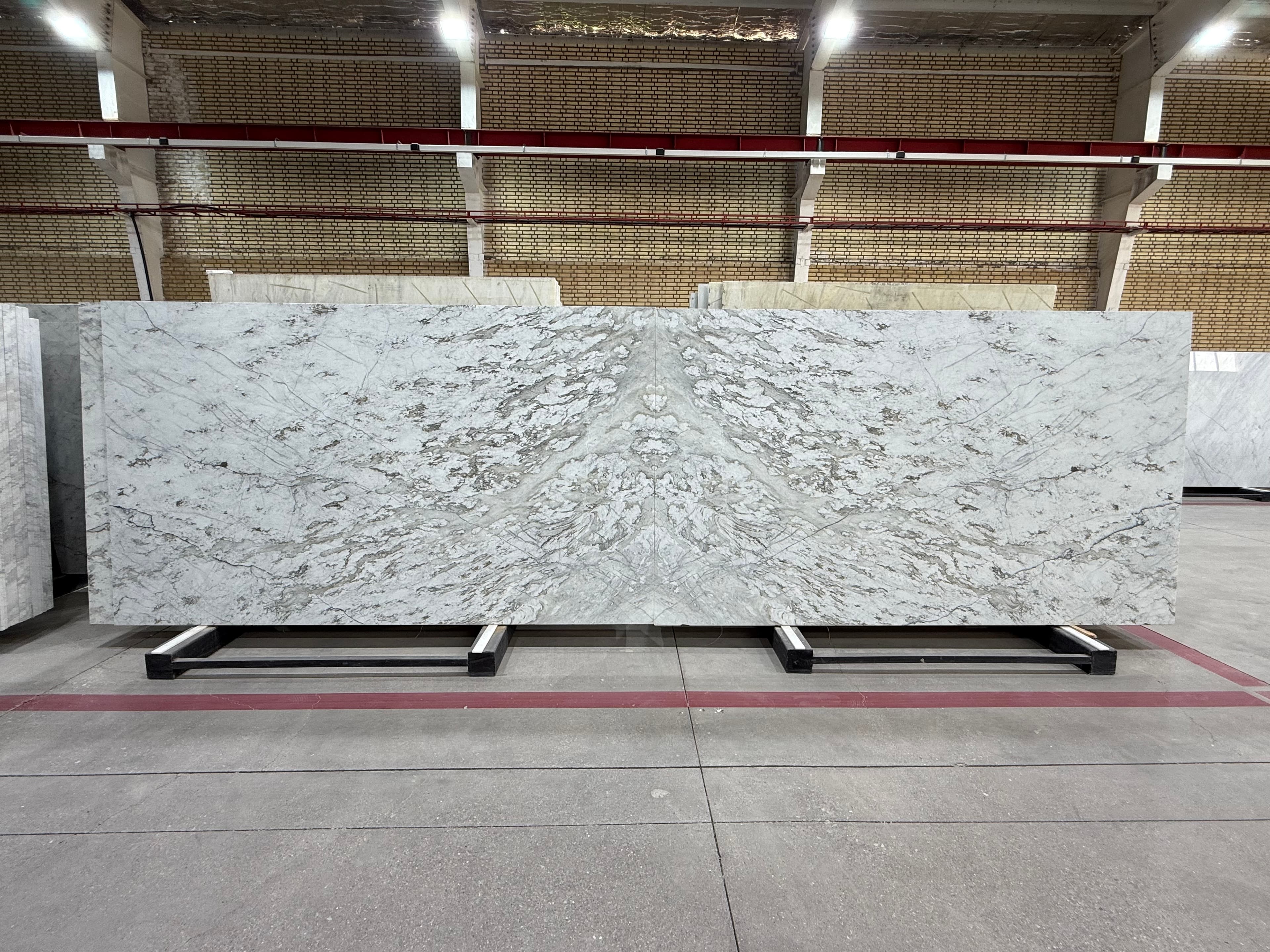
- Quartzite: Often has a dense, crystalline texture and may feature prominent veins or color variations.
Appearance is only an initial clue. Different stones can share similar colors and patterns, so visual inspection alone cannot always establish the exact stone type.
- Inspect the Texture and Structure
Texture can provide useful information about a stone’s structure. Examine its grains, pores, layers, and the way different components appear to fit together.
Travertine commonly displays pores and layered patterns, although filling and finishing can make these features less obvious. Granite typically contains visible mineral grains. Marble varies from relatively uniform textures to pronounced veining.
When possible, inspect a cut edge or the back of a sample as well as its polished face. Surface finishing may conceal details that are more apparent on an unfinished section.
- Can Porosity and Water Absorption Identify a Stone?
Porosity refers to the presence of spaces within a material. Some stones, including many travertines, have natural pores, while many granites are relatively dense and have fewer visible openings.
However, porosity alone cannot identify a stone conclusively. Water absorption is also influenced by mineral composition, microcracks, resin treatment, sealers, and finishing methods.
If water absorption matters to your project, standardized testing on a suitable sample is more reliable than simply pouring water onto the surface. Surface treatments can affect informal tests, and testing installed or valuable stone without proper guidance should be avoided.
- Examine Natural Veining and Layers
Veining is an important visual characteristic, but it should be considered alongside other features.
Some marbles display long, flowing veins. Travertine may show layered patterns that change depending on the cutting direction. Granite generally draws attention through its mineral grains rather than continuous veins.
The direction of cutting can significantly change a stone’s appearance. Two slabs from the same stone may therefore look different without being different materials.
- Can Weight or Hardness Reveal the Stone Type?
Weight and hardness can provide clues, but neither is sufficient for definitive identification.
Weight depends on density, dimensions, and thickness. Two stones of similar size may have different weights, but this difference alone does not establish their identity.
Hardness also varies between stone types. However, scratching a surface with a metal tool or abrasive material can cause damage, and the result may be affected by polishing or protective coatings. Such tests are not recommended on installed stone or expensive slabs.
For a professional assessment, use standardized tests and consult a qualified specialist.
- What Is the Difference Between Marble, Travertine, Granite, Onyx, and Quartzite?
Marble
Marble is commonly used for flooring, wall cladding, stairs, and interior features. Its varied appearance and ability to take a polished finish are popular advantages. Performance and chemical sensitivity depend on the stone’s mineral composition and specific characteristics.
Travertine
Travertine is recognized for its layered appearance and natural texture. It is used for façades and selected interior applications. Cutting direction, pore filling, and processing quality influence both its appearance and performance.
Granite
Granite typically has a granular texture formed by different minerals. Many varieties are considered for high-traffic surfaces and applications where abrasion resistance matters. The suitability of a particular product should still be confirmed through its technical specifications.
Onyx
Some onyx varieties have distinctive bands and can transmit light through thinner sections, creating a decorative effect. This characteristic varies by specimen. Commercial stone names may also differ, making product documentation important.
Quartzite
Quartzite is a metamorphic rock composed predominantly of quartz. Some varieties have a crystalline, veined appearance and can be confused with marble. Mineralogical examination and technical documentation may be necessary for reliable identification.
- Should You Use Vinegar or Acid to Identify Stone?
Using vinegar, acids, or household chemicals is not a dependable identification method for consumers. Acidic substances can damage calcium-carbonate-rich stones, including many marbles and limestones, leaving dull marks or etched surfaces.
Protective coatings, resin treatments, and surface finishes can also affect the outcome. As a result, these tests may damage the stone without providing a conclusive answer.
When precise identification is important, consult a stone specialist and use appropriate laboratory methods if needed.
- What Is the Most Reliable Way to Identify Natural Stone?
Follow these steps before making a purchase:
- Inspect the appearance: Examine the color, veins, mineral grains, pores, and overall texture.
- Check multiple surfaces: Where possible, compare the polished face, cut edge, and back of the sample.
- Request product information: Ask the supplier for the stone type, commercial name, stated origin, and technical details.
- Review technical data: For important projects, check water absorption, density, flexural strength, and abrasion resistance as relevant to the intended application.
- Consult a specialist: If two visually similar stones are difficult to distinguish, seek advice from a stone expert or qualified laboratory.
A commercial name alone is not always sufficient for scientific identification. In critical applications, mineralogical analysis and standardized testing provide more dependable evidence.
Conclusion
Identifying natural stone begins with examining its color, veining, texture, porosity, and structure. However, no single visual feature can conclusively identify every stone. Cutting direction and surface finishing can also change its appearance.
When purchasing building stone, consider technical specifications, intended use, maintenance requirements, and the reliability of the product information alongside visual appeal. If stone identification is important to the performance or cost of your project, obtain professional confirmation before purchasing.
At Linestone, selecting the right natural stone means balancing its distinctive appearance with the architectural and technical needs of the project. Contact the team to discuss your application and explore suitable stone options.