
Stone guide
Applications of Travertine Stone in Construction and Design
Due to its combination of beauty, durability, and versatility, travertine stone is considered one of the best choices for construction and architectural projects. In addition to enhancing the beauty
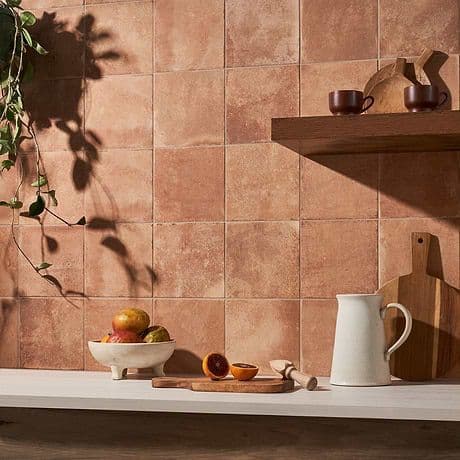
Travertine stone is one of the most popular and widely used natural stones in the construction industry. Due to its natural beauty, variety of colors, suitable durability, and easy processing, it is commonly used in different parts of construction and architectural projects. With its luxurious appearance and natural texture, travertine is considered an ideal choice for architects and interior designers.
Exterior Facades
One of the main applications of travertine is building facades. Thanks to its natural porosity, travertine provides excellent adhesion to mortar, which increases the safety and durability of the facade. Its resistance to temperature changes and weather conditions also makes it a popular choice for both classic and modern exterior designs.
Interior Design
Travertine is also widely used in interior spaces. It is commonly used for wall coverings, flooring, staircases, hotel lobbies, luxury halls, and commercial spaces. The warm and natural tones of travertine create a calm and elegant atmosphere.
Landscaping and Outdoor Spaces
Because of its durability and natural appearance, travertine is frequently used in landscaping projects, gardens, courtyards, walkways, and around swimming pools. Some types of travertine also provide good slip resistance, making them suitable for outdoor and wet environments.
Bathrooms and Wet Areas
Travertine stone is widely used in modern bathrooms and wet areas due to its luxurious and natural appearance. Using this stone on walls and floors creates a stylish and warm environment.
Decorative Stone Products
Travertine is also used in the production of decorative stone products such as stone tables, sinks, fireplace surrounds, columns, decorative elements, and fountains. Its easy cutting and shaping capabilities allow for a wide range of custom designs.
Advantages of Travertine Stone
- Natural variety of colors and patterns
- Excellent adhesion to mortar
- Good resistance to weather conditions
- Easy cutting and processing
- Luxurious appearance and added property value
- Suitable for both classic and modern styles
Conclusion
Due to its combination of beauty, durability, and versatility, travertine stone is considered one of the best choices for construction and architectural projects. In addition to enhancing the beauty of buildings, this natural stone can increase property value and be used in various interior and exterior applications.
